
A different path starts with a clear first step
I learned the difference between making a great living and living a great life.
Tax lien and tax deed investing opened that path for me. It is not a shortcut, a secret, or a guarantee. It is a process business that rewards people who learn the rules, do the research, and stay disciplined.
Start with free introductory education and safety guidance. When you are ready to evaluate real opportunities, move into the complete $497 Playbook.
Ross’s story
I’m sharing what worked, what didn’t, and what I wish someone had shown me before I placed my first bid.
1995
Freedom first
After graduating from the State University of New York at Plattsburgh, I spent summers working beside the ocean, winters skiing in the mountains, and nine months living in the Caribbean, where I learned to scuba dive and prepared for law school.
Law school
A lesson in contrast
Law school taught me something almost immediately: there is a big difference between making a great living and living a great life.
Career
An Up-and-Down Business
I eventually entered the elevator industry. The upside was that I could buy a home and start a family. The downside was that I was rarely home for that family.
2012
The wall
I had two young children and a third on the way. I was spending 50 to 60 hours a week working, plus an hour-and-a-half commute in each direction. I needed another path. Tax liens resonated with me, but my job kept getting in the way of building the business.
March 2012
A way out
My boss called me into his office. My sales-manager position had been eliminated. I had one hour to clear out my office and company car before another car took me home. I had asked for a way out. Suddenly, I had one.
First auctions
Four strikeouts
My first four auctions were discouraging. I struck out each time, but I hired a coach who helped me get over the hump.
June 2012
The first deed
In June 2012, I purchased my first redeemable deed in DeKalb County, Georgia, for just under $3,600. Approximately 16 months later, I sold the property for $165,000 and earned approximately $130,000 in net profit.
Today
What that result meant
That result was exceptional and is not typical. But it proved to me that another life was possible. Tax liens became the doorway to multifamily real estate, private money, syndications, seller financing, car washes, laundromats, storage properties, and other creative investments.
That is why I created Winning With Tax Liens.
I cannot promise that tax liens will produce the same outcome for you. I can give you the education, research process, and tools I wish I had when I began.
Ross taught tax lien and tax deed investing across the country and authored the chapter “Tax Liens and Deeds” in The Real Estate Candy Shop.
Self-assessment
Is tax lien investing right for you?
Seven quick questions. No email required. Three clear paths: explore free education, get the Playbook, or explore coaching.
Question 1 of 7
How much do you currently know about tax lien or tax deed investing?
The instruments
Lien, deed, or redeemable deed.
Every state structures its tax-sale process differently. These are the three basic forms, and what each one generally means for an investor.
Tax Lien Certificate
The investor generally pays delinquent property taxes in exchange for a lien certificate. The owner may have a period to redeem by paying the taxes and applicable interest or penalties. The investor’s rights, return, and next steps depend entirely on state and local law.
Tax Deed
The taxing authority generally auctions an ownership interest or deed after property taxes remain unpaid. A winning bidder may acquire the property, but title, possession, surviving liens, condition, access, and local procedures still require investigation.
Redeemable Deed
The investor may receive a deed while the former owner retains a limited legal right to redeem. If redemption occurs, the investor may receive a return established by law. If it does not, additional title, notice, possession, or foreclosure steps may be required.
Real stories, real lessons
Three deals. Three lessons to learn before you bid.
One showed what is possible. One exposed what outdated records can hide. One proved that sometimes the best investment is the one you walk away from.
Possibility, Not a Promise
A Georgia redeemable deed turned just under $3,600 into approximately $130,000.
A DeKalb County redeemable deed was available for just under $3,600. After the redemption period passed, the property sold for $165,000, leaving approximately $130,000 in net profit after costs.
This result was exceptional and is not typical.
If You’re Not Eyeing It, You’re Not Buying It
A $14,000 lot looked like a house online.
Online records showed what appeared to be a two-bedroom house. A site visit revealed only a vacant lot with mature trees growing through it. A bankruptcy filed before the auction forced the county to reverse the sale and refund the purchase price.
Lesson: If you’re not eyeing it, you’re not buying it.
Research Can Save You From a Bad Deal
A 10-unit property hid an environmental risk.
A 10-unit property looked promising on paper. Deeper research showed that an old plywood factory had occupied the site and the soil was potentially contaminated. The opportunity was rejected before it could become a costly cleanup problem.
Lesson: Records tell one story. The ground may tell another.
The goal of research is not to convince yourself to bid. It is to uncover enough truth to know when to proceed, when to stop, and when to walk away.
The honest version
Where most new tax lien investors get stuck.
Almost everyone follows the same arc. Knowing what is coming is the difference between quitting at the third wall and working through it.
Jurisdiction rules
Every state writes its own statutes. Lien states, deed states, hybrids. Different redemption periods, bidding formats, notice requirements.
Parcel identity
Auction lists use parcel numbers and legal descriptions, not addresses. Decoding them into a real place is genuine work.
Physical inspection
Photos and satellite views do not show a failed septic system, a caved-in roof, or mature trees growing through a former homesite.
Title and surviving liens
What you buy, what survives the sale, and what has to be cleared afterward varies by jurisdiction and by property.
Bidding discipline
The most common way people lose money is emotional bidding — going past the maximum bid they calculated because they want to win.
Exit planning
Acquiring the asset is only half the job. Without a realistic way to turn it back into money, you may own an expensive problem.
Free field guide
Before You Bid.
Field rules learned from thousands of tax-sale property reviews. 12 practical sections to work through before every auction.
- —Know your jurisdiction before you know the property.
- —If you’re not eyeing it, you’re not buying it.
- —Have an exit before you have a deed.
Free. No credit card. Account optional.
Complete system
The $497 Winning With Tax Liens Playbook.
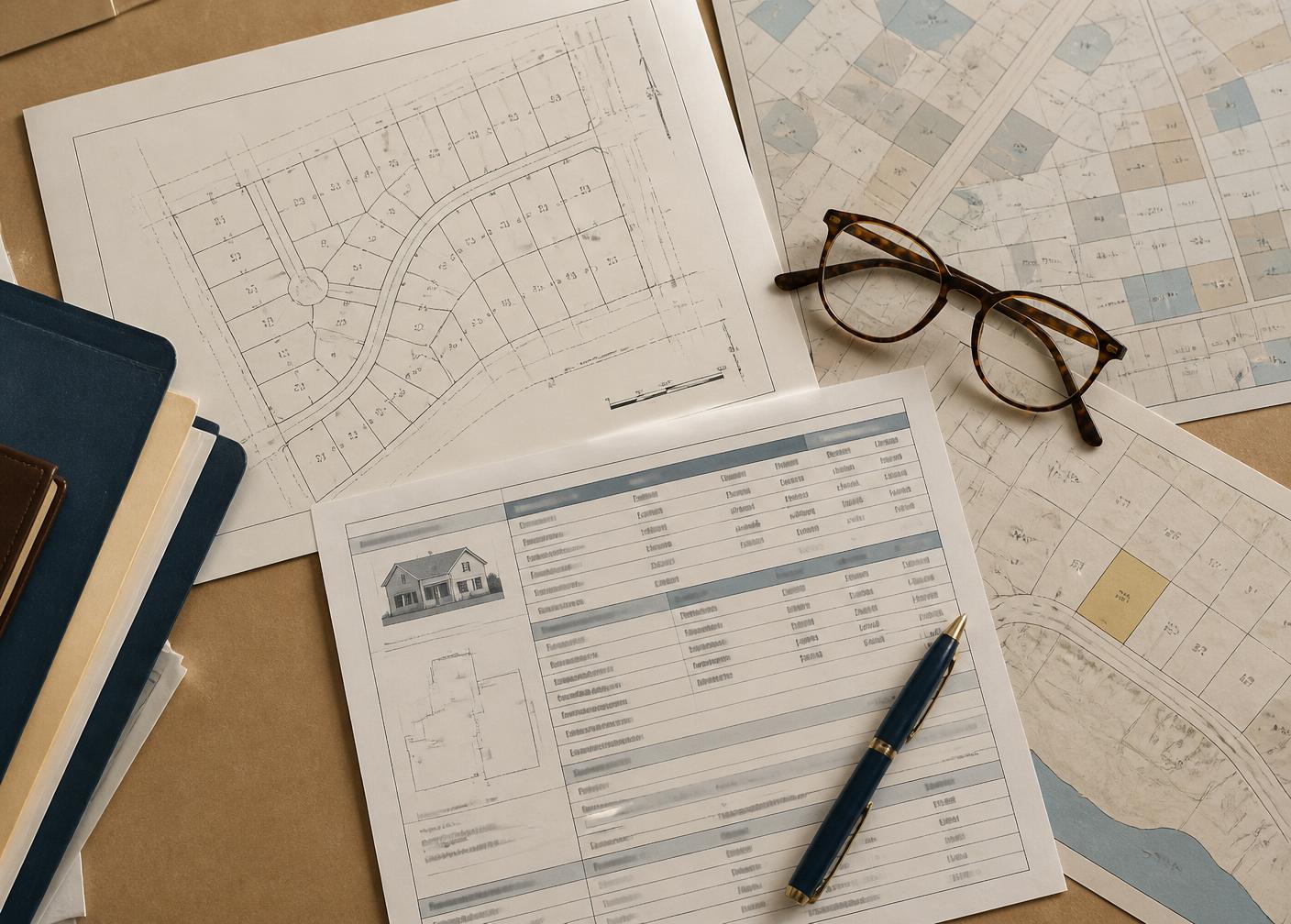
The county publishes the opportunity. Most people see a wall of parcel numbers, deadlines, unfamiliar rules, and hidden risks. The Playbook gives you the process, tools, and discipline to turn that into a clear decision: investigate further, calculate your number, or walk away.
What’s inside
- 01Jurisdiction research process
- 02Parcel verification system
- 03Physical and title due diligence
- 04Maximum bid worksheet
- 05Exit planning records
- 06Before You Bid field rules
Implementation support
Winning Edge Coaching.
One program for investors ready to apply the Playbook to real opportunities with direct guidance from Ross.
“The fastest way to compress the learning curve is to stand next to someone who has already made the expensive mistakes.”
Coaching is guidance, not a guarantee. Results depend on your work, your market, and your discipline.
Already own a property?
Property-specific exit assistance.
If you have already acquired a tax-sale property and need help evaluating liquidation options, Ross offers separate, optional property exit assistance.