Step 05 — Liquidate
Acquiring the asset is only half the job.
The money is not made when you win the bid. It is made when the property becomes money again. That is why your exit belongs at the front of your analysis, not at the end.
A cause we support: Rock Against Trafficking.
5.1
Decide the exit before you bid
A maximum bid is meaningless without an exit assumption. The number you're willing to pay is derived from what you will realistically net when you leave the position, minus every cost between here and there, minus the return you require for the risk.
Investors who skip this step end up owning something they don't know what to do with — paying taxes, insurance and maintenance on an asset that is quietly getting more expensive every month.
5.2
The realistic menu of exits
- Sell as-is
- Fastest route to cash and the least execution risk. Price reflects condition, title posture and how motivated the buyer pool is for that kind of asset.
- Improve, then sell
- Higher potential proceeds, and a real project: capital, contractors, permits, time and supervision. Underwrite the renovation honestly, then add a contingency.
- Rent and hold
- Turns the asset into income rather than a lump sum. Requires the property to be habitable, insurable and manageable — and requires you to want to be a landlord.
- Hold for a future use
- Land banking or holding for an assemblage or future development. Carrying costs and taxes continue while you wait, so the thesis has to justify the wait.
- Wholesale or assign
- Pass the opportunity to another investor for a smaller, faster margin, where the position and local rules permit it.
- Other appropriate exits
- Owner financing, sale to a neighboring owner, auction resale, or a negotiated resolution. The right answer depends on the asset, the market and your capital position.
Two exits, not one.
5.3
Get help turning the asset into cash
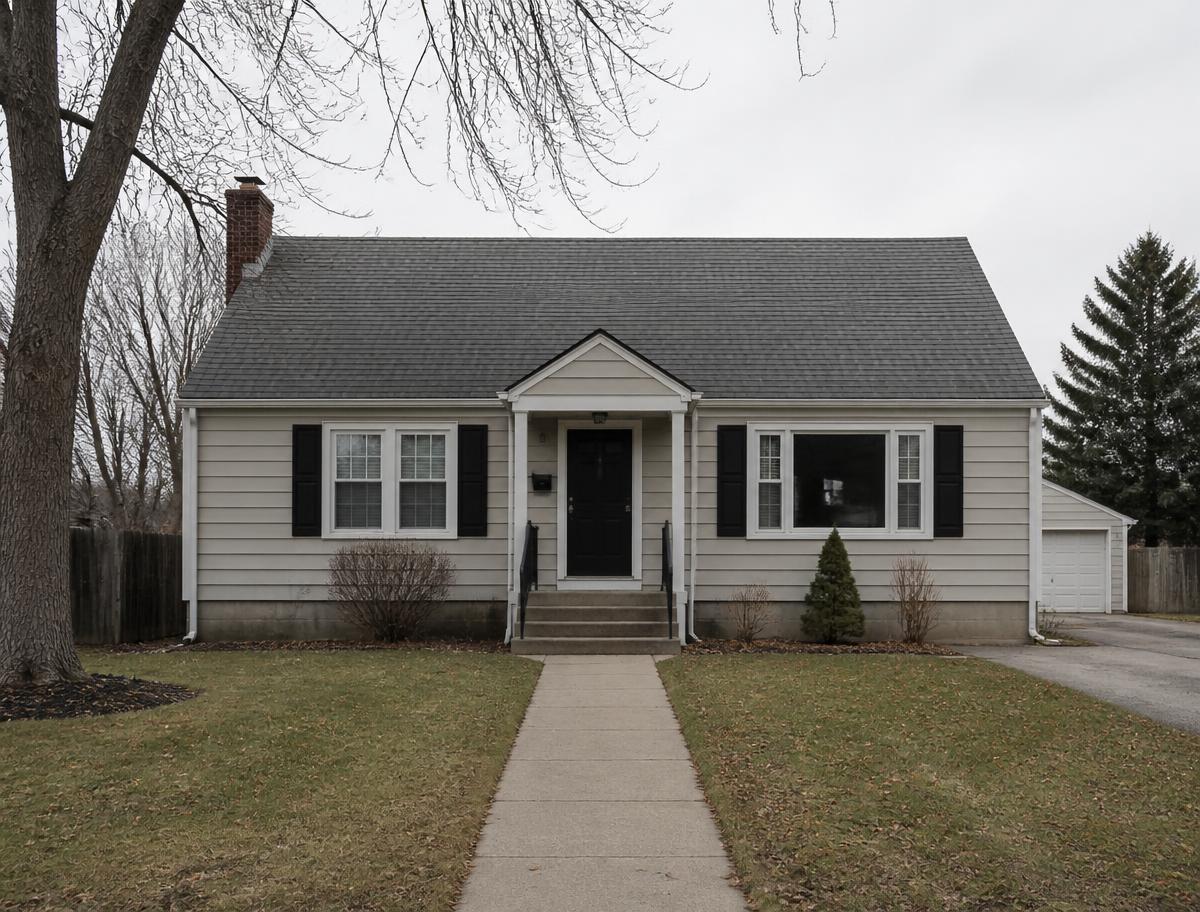
If you have acquired a property — or you're close, and you want a second set of eyes before you commit — exit and liquidation assistance is available as a separate paid service, purchased and prepaid. The work is about the specific asset: condition, market, timeline, capital position and the most sensible route from ownership back to cash. There is no free review or complimentary call.
Next — Step 01
Learn
Understand the instrument before you touch it.
Free updates
Get new material as it's published
Did we help? Pay the value forward.
If you found value here and choose not to work with us, consider supporting Rock Against Trafficking.